
Awning Maintenance: How to Care for Your Investment Before Winter


Have you thought about what a Northwest Ohio winter does to an awning that’s just left as-is? Freezing temperatures, wet snow, and months of sitting unused are hard on fabric and hardware alike. The good news: a little awning maintenance care before winter goes a long way, and most of it takes less than an hour.
Here’s how to protect your awning before the weather turns.
Why This Matters in Northwest Ohio and Southeast Michigan
Winters around Toledo and the rest of Northwest Ohio aren’t gentle — freeze-thaw cycles, wet snow, and ice all put stress on fabric and hardware that summer weather never does. An awning that’s cleaned, dried, and properly protected before the first freeze holds up to that far better than one that gets rolled up wet and left alone until spring. It’s a small time investment that protects a much bigger one.
Give It a Final Clean Before You Store It
Debris and moisture trapped against fabric over the winter is one of the most common causes of mildew and staining. Before you retract your awning for the season, brush off any loose leaves or debris, then wash the fabric with mild soap and water — nothing abrasive, and nothing with bleach. The most important step is patience: let the fabric dry completely before retracting or covering it. Rolling up damp fabric is how mildew gets started, and it’s easy to avoid.
Retract It and Check the Mechanism
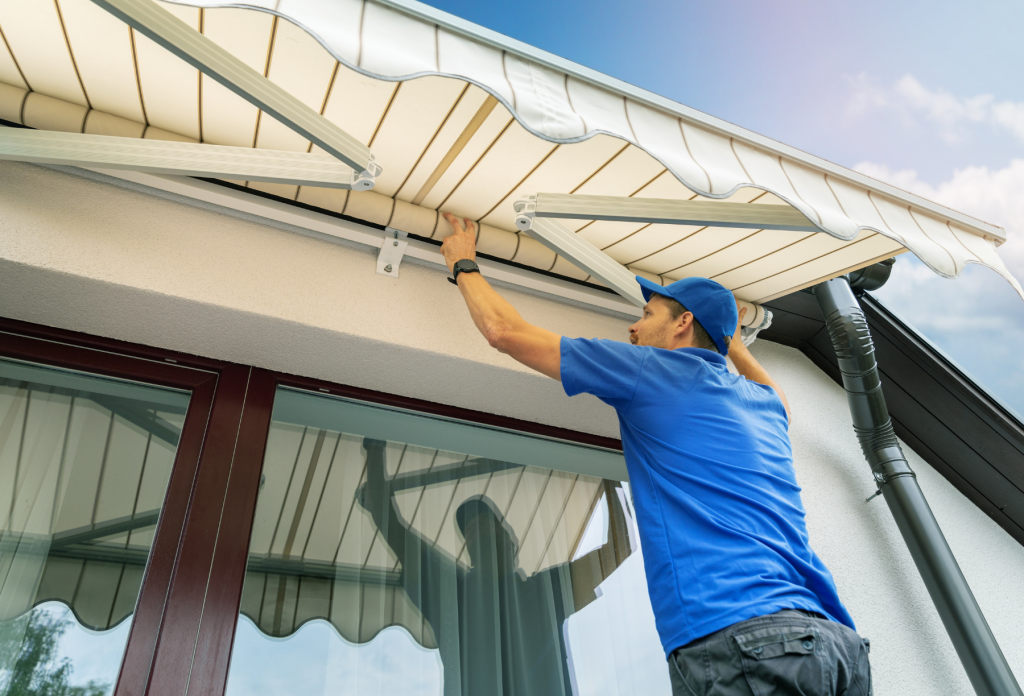
While you’re out there, take a minute to actually look at the moving parts. Check that the arms retract smoothly and evenly, listen for anything that sounds off in the motor, and give the hardware a visual once-over. Sunesta awnings use high-grade stainless steel hardware and heavy-gauge extruded aluminum, so they’re built to hold up — but catching a small issue in the fall is a lot easier than dealing with it after months of winter weather.
This is also a good moment to double-check that the arms are fully and evenly retracted, not just mostly closed. A retractable awning that’s left partially extended is more exposed to wind and weight than one that’s tucked in all the way, and it’s an easy thing to miss if you’re rushing through the last nice weekend of the year.
Protect the Fabric With the Right Enclosure
If your retractable awning has an enclosure option, this is the time to use it. Hood offers partial fabric protection, while SmartCase fully encloses the fabric when the awning is retracted. Either one keeps snow, ice, and debris off the fabric itself during the months it’s not in use, which means less wear and a better-looking awning when you open it back up in spring.
Know When to Call In an Awning Maintenance Pro
Most of this is straightforward homeowner maintenance, but if you notice fabric damage, a motor that isn’t retracting smoothly, or hardware that looks worn, it’s worth having someone take a look before winter rather than after. Catching it now usually means a simpler fix — and gives you time to get it handled before your awning sits untouched for months.
The Importance of Professional-Grade Winterization
Investing in a high-quality retractable awning is an investment in your home’s outdoor living space, and like any investment, it requires proper care. In Northwest Ohio, where the winters can be unpredictable and severe, awning winterization is not merely an optional task; it is a critical step in preserving the integrity of your fabric and the longevity of your mechanical systems. By dedicating a small amount of time in the fall to prepare your awning, you are safeguarding your shade system against the harsh realities of freeze-thaw cycles, heavy snow loads, and the abrasive nature of ice buildup. Think of this process as “putting your investment to bed” for the season, ensuring that when the first warm day of spring arrives, your awning is ready to extend and provide shade without a second thought.
A Step-by-Step Guide to Safe and Effective Cleaning
Cleaning your awning fabric is more than just maintaining its appearance—it’s about preventing long-term damage.
- Prioritize Safety: Before beginning, ensure you have a sturdy ladder and, if possible, a partner to assist you. Never attempt to clean your awning while it is extended if you are not comfortable or do not have the proper safety equipment.
- The Right Tools: Use a soft-bristle brush, a gentle cleaning solution (mild soap and water), and a garden hose. Crucially, never use a power washer. High-pressure water can damage the fabric’s protective coating, force water into the seams, or even harm the mechanical components of the awning arms.
- The Technique: Gently brush away loose debris, then wash the fabric using a solution of mild soap and water. For stubborn spots, allow the solution to sit for a few minutes before gently scrubbing. Rinse thoroughly with a garden hose, ensuring no soap residue remains, as this can attract dirt over the winter months.
- The Drying Stage: This is the most vital step. The fabric must be completely dry before it is retracted. Even a small amount of residual moisture can create the perfect environment for mold and mildew growth while the awning is tightly rolled for the winter.
Deep Dive: Inspecting Your Awning’s Hardware
While the fabric is the most visible part of your awning, the hardware is the workhorse. Sunesta awnings are engineered with high-grade stainless steel and heavy-gauge aluminum, but they are not immune to the rigors of winter. Use this time to perform a detailed inspection:
- Mounting Brackets: Check that the brackets are secure against the wall. Any movement here can indicate that fasteners have loosened, which needs to be addressed before heavy snow or ice can place additional leverage on the mount.
- Arm Tension and Alignment: As you retract the awning, observe the arms closely. They should fold smoothly and symmetrically. If you notice one side retracting faster or slower than the other, or if there is excessive swaying or noise, this could signal that the tension system requires adjustment.
- Fasteners and Bolts: Give the exposed bolts a visual check. If you see any signs of rust or significant wear, it is far better to have a specialist address these before winter, as freezing moisture can exacerbate structural issues.
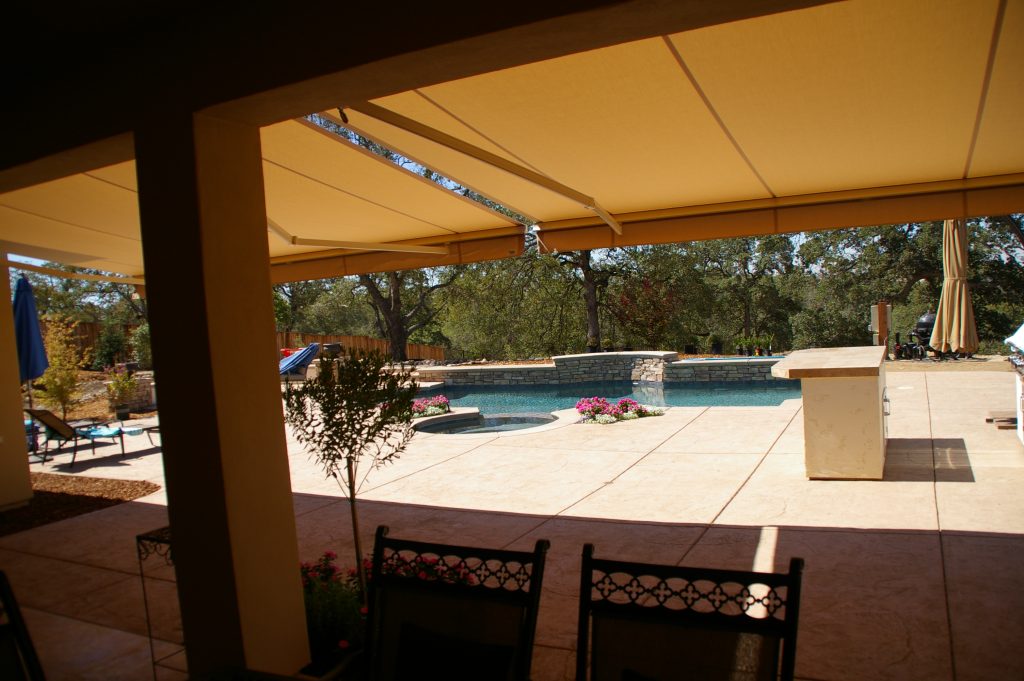
Your awning does not exist in a vacuum; it is part of a larger outdoor living ecosystem. While you are winterizing your awning, take the opportunity to prepare the surrounding area as well:
- Patio Furniture: Store cushions and fabric-covered furniture in a dry, protected space.
- Heaters and Lighting: If you have outdoor heaters, ensure they are turned off at the source and covered. Check that your outdoor lighting fixtures are secure and clear of any debris.
- Drainage: Ensure that the patio surface itself is clear of debris so that snowmelt can drain away properly, preventing puddling that can increase humidity levels near your awning’s structure.
The Strategic Advantage of Off-Season Planning
Fall is not just for maintenance; it is an ideal time for planning. When you are looking at your awning during your fall inspection, consider how it performed throughout the summer. Did you find yourself wishing for more shade at certain times of the day? Did the fabric color meet your expectations? Or perhaps you realized your outdoor space could benefit from a second awning or a screen system. By assessing these needs now, you can avoid the spring rush. Scheduling a consultation in the off-season ensures that you get ahead of the queue, allowing for a seamless installation as soon as the weather turns warm.
A Few Questions We Hear Every Fall
Can I just leave my awning extended over the winter? No — extended fabric collects snow and ice load it isn’t built to hold long-term, and it’s far more exposed to wind damage. Retract it and, if you have one, use your Hood or SmartCase enclosure.
Does a motorized awning need anything extra before winter? Just run it through a full retract cycle once while you’re checking it over, and listen for anything unusual. If your awning has MyLink smart control, this is also a good time to confirm the app is still connecting properly before you stop using it for the season.
How often should an awning get a real cleaning, not just a wipe-down? Once at the start of the season and once before winter storage is enough for most homeowners, unless your patio sees a lot of tree debris or pollen.
Ready for Spring Before Spring Gets Here
A little maintenance now means your awning is ready to go the first warm day next year — no surprises, no scrambling. And if your awning is showing its age or you’re thinking about adding a second one somewhere else on the house, fall is a good time to start that conversation too. Contact us today for a free estimate!